
The "Single Supplement" Hack: The Economic Blueprint for Luxury Solo Travel
In the global theater of high-end tourism, a silent, systemic bias operates against the independent professional: the Single Supplement. This industry-standard surcharge, often ranging from 25% to a staggering 100% of the base room rate, is essentially a "Loneliness Tax." It is an economic penalty levied against the individual for the "crime" of occupying space intended for two.
For the SoloLife practitioner, travel is not merely an escape; it is a high-stakes investment in cultural capital and psychological renewal. However, adhering to the legacy pricing models of the hospitality industry is a catastrophic misallocation of resources. To travel luxury on a solo budget, one must transition from a passive consumer to a Logistics Architect. This super-pillar article provides the technical deconstruction of travel inventory economics and the proprietary scripts required to hack the system. We will analyze RevPAR Arbitrage, Inventory Perishability, and the Boutique Pivot to ensure your next journey is defined by opulence, not overpayment.
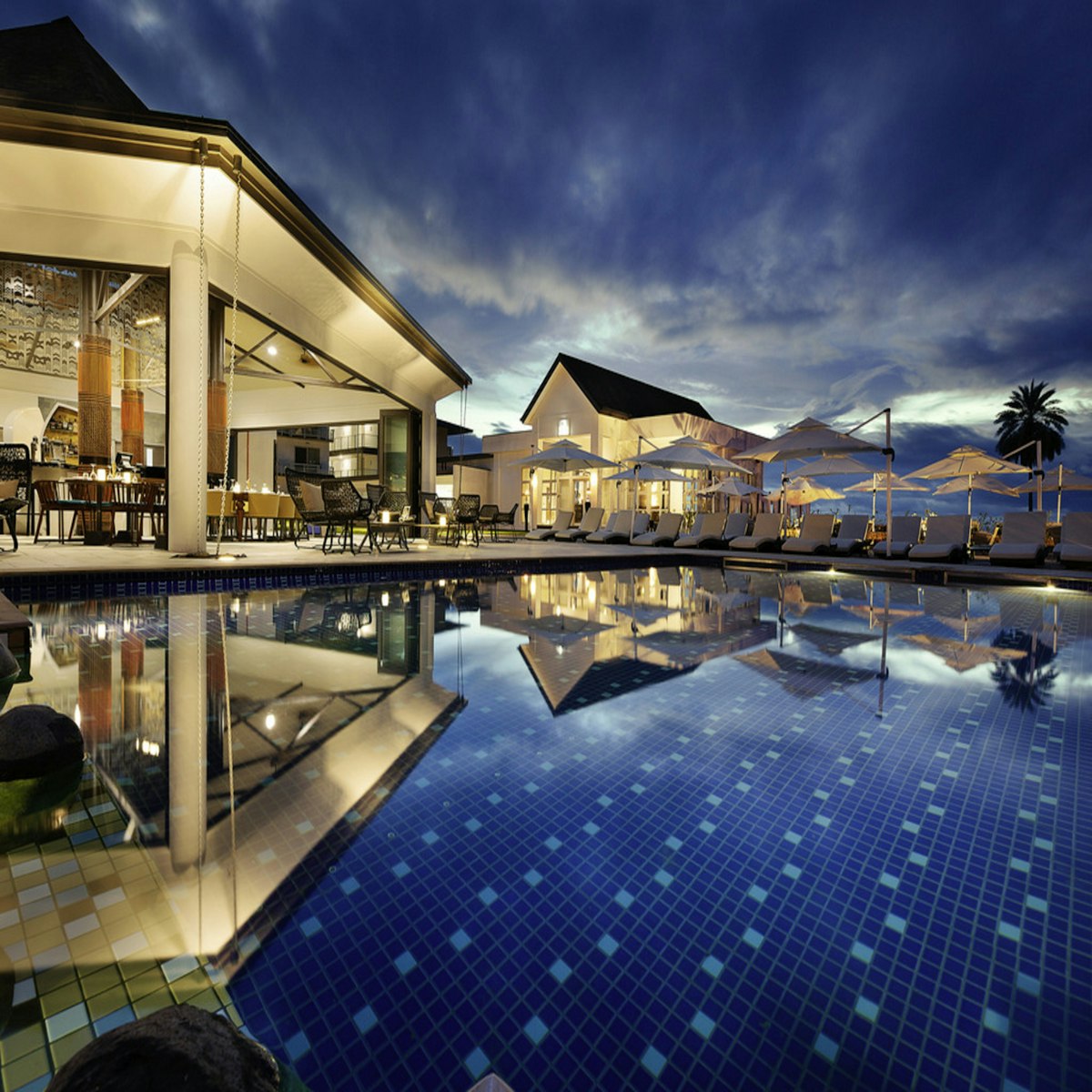
A luxury infinity pool overlooking a pristine ocean, representing the ultimate goal of high-end solo travel arbitrage
1. The Anatomy of the Solo Tax: Technical Deconstruction of Industry Bias
To defeat the Single Supplement, one must first understand its biological and economic origin. The hospitality industry, specifically large-scale hotel chains and cruise lines, operates on a Revenue Management model that prioritizes the "Double Occupancy" baseline. This is not purely due to room rates, but rather the Total Guest Value (TGV).
The TGV Discrepancy
When a hotel sells a room to a couple, they are not just selling a bed; they are selling two breakfasts, two spa treatments, four cocktails at the rooftop bar, and two guided excursions. The "Variable Revenue" generated by the second person represents the hotel’s profit margin. When you occupy that room alone, the hotel’s "Ancillary Revenue" potential is slashed by 50%. The Single Supplement is the industry’s blunt-force tool to hedge against this loss.
According to data from Skift (Travel Industry Intelligence)↗, the solo economy is the fastest-growing segment in travel, yet pricing algorithms remain trapped in the 1990s. As a soloist, you are fighting against a mathematical ghost—the "missing" second spender. Hacking this requires you to prove that your presence as a high-net-worth individual is more valuable than an empty room, or that you can provide the hotel with Inventory Liquidity during periods of low demand. This is the first step in your broader Solo Financial Plan: recognizing where the market is inefficient and exploiting the gap.
2. RevPAR and Occupancy Logic: Finding the "Empty Bed" Vulnerability
Every General Manager (GM) of a 5-star property is haunted by one metric: RevPAR (Revenue Per Available Room). If a $1,200 suite sits empty for one night, that revenue is gone forever. It is the most "Perishable Asset" in the global economy.
The Marginal Revenue Opportunity
Once a hotel has covered its fixed costs (staffing, heating, debt service), any additional room sold at almost any price is nearly 100% profit. This is the Marginal Revenue Opportunity. As a solo traveler, your goal is to identify when a hotel is at risk of "Perishing Inventory."
- The Threshold Logic: If a hotel is at 95% occupancy, they will charge you the full Single Supplement because they are confident a couple will walk in and pay full price.
- The Vulnerability Window: If a hotel is at 65% occupancy, they are desperate for RevPAR. In this window, the Single Supplement is a negotiable friction.
By using tools like IATA (International Air Transport Association)↗ data to track flight loads into a city, or checking a hotel’s availability for "2 Adults" vs "1 Adult" across multiple dates, you can find the pressure points. If the price for one person is the same as two, the algorithm is set to "Strict." If the price drops or stays flat, you have found a property with a "Soft" revenue policy, ripe for the Boutique Pivot.
3. The Boutique Pivot: Why Scale is the Soloist’s Greatest Enemy
Large-scale luxury conglomerates (Marriott International, Accor, Hilton) utilize globalized AI pricing engines. These systems have zero empathy and zero flexibility; they are designed to maximize yield across 7,000 properties simultaneously. For the solo traveler, trying to negotiate a supplement with a Ritz-Carlton chatbot is a waste of Cognitive Bandwidth (see our guide on Decision Fatigue).
The Power of Local Sovereignty
Independent, luxury boutique hotels are different. They are often owned by individuals or small groups where the GM has the "Sovereign Authority" to override the system.
The Boutique Pivot involves ignoring the "Big Box" brands and targeting high-end, independently owned properties. These owners care more about Direct Bookings (which save them 15-25% in Expedia/Booking.com commissions) than they do about enforcing a rigid single supplement. When you book direct with a boutique property, you are putting money directly into their pocket, giving you the leverage to ask for a "Solo Waiver." You are offering them a high-value, low-impact guest (you use fewer towels, less water, and make less noise) in exchange for a fair price.
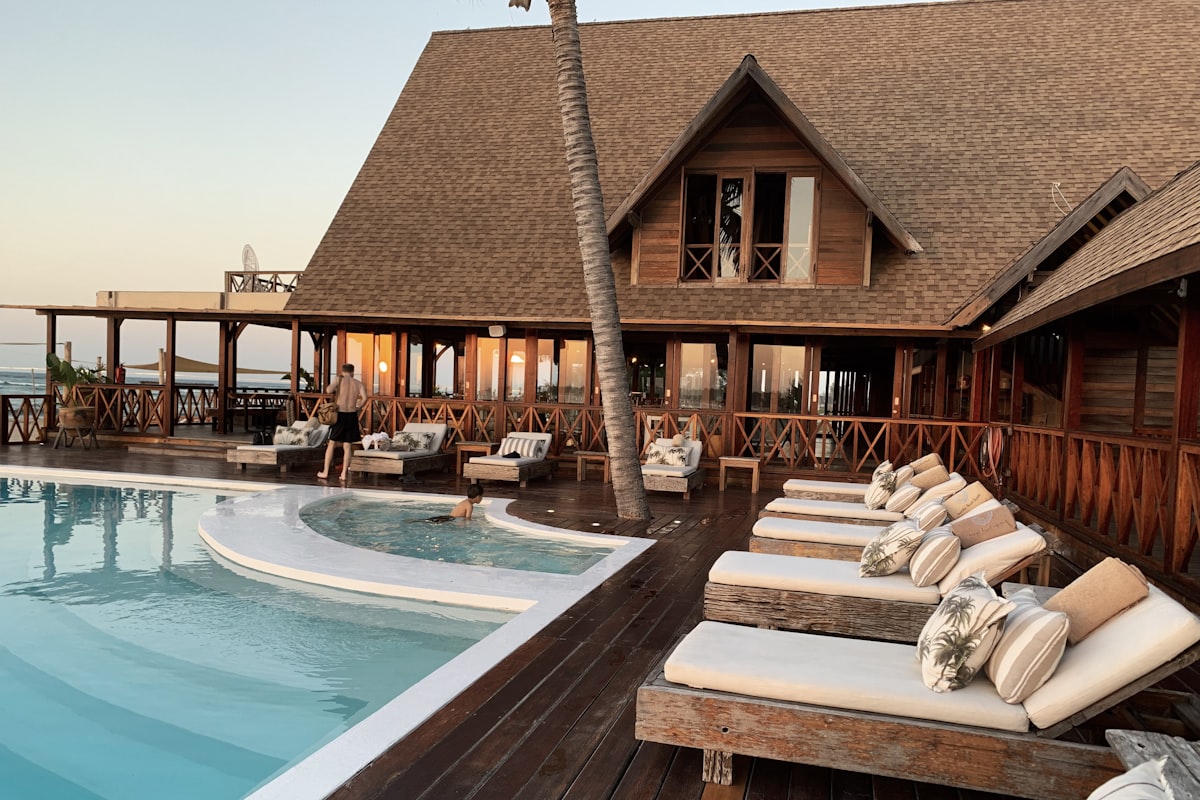
The elegant lobby of a boutique luxury hotel where personal relationships trump automated algorithms
4. Shoulder Season Arbitrage: The Mathematics of the "Transition Window"
Seasonality is the most powerful variable in travel economics. High season is a "Seller's Market"—negotiation is impossible. Low season often means poor weather and closed amenities. The professional soloist operates exclusively in the Shoulder Season—the 3-week windows flanking the high season.
The Supply/Demand Inversion
During the shoulder season, luxury properties maintain their full staff and 5-star service levels, but their occupancy drops. The cost of running the hotel remains high, making the GM extremely receptive to any guaranteed revenue.
By applying the principles of Micro-Apartment Magic—optimizing for efficiency and timing—you can stay at a $2,000-a-night resort in the Maldives in May (post-Easter) for $800 with no single supplement. You are performing Time Arbitrage: trading a minor shift in your calendar for a 60% increase in your purchasing power. This is the cornerstone of a sustainable Solo Financial Plan.
5. Ghost Booking & The "Second Name" Protocol
This is an advanced logistical maneuver used to bypass automated surcharges on booking platforms. Many OTAs (Online Travel Agencies) automatically increase the price the moment you select "1 Adult" because the algorithm triggers the "Single Room" category, which is often a smaller, inferior room at a higher per-square-foot cost.
The Tactical Deception
- The Double Booking: Book the room for "2 Adults." In many luxury properties, the price for a Double Room is the same as a Single, or even lower due to higher inventory.
- The "Late Arrival" Script: Check in as yourself. When asked about the second guest, use the Second Name Protocol: "My partner was delayed on a business flight and will be joining me tomorrow or the day after."
- The Sunk Cost: Since you've already paid for the room, the hotel cannot force you to pay "more" for having fewer people.
This ensures you get the Superior Layout of a double room (more square footage, better views) without the "Solo Penalty." You are simply a "partial party," which is a valid logistical state that algorithms cannot easily punish.
6. Points & Miles Engineering: The "Unit of One" Advantage
In the world of award travel, the solo traveler is a Math Alpha. As The Points Guy (Award Travel Strategy)↗ frequently reports, finding "2 Seats" in First Class or "2 Award Nights" in a Park Hyatt Suite is statistically improbable. Finding "1 Seat" is a routine occurrence.
Award Availability Arbitrage
Airlines and hotels release "Unsold Inventory" to loyalty programs at the last minute. Because you are a single unit, you can occupy the "Odd Gap" in their manifest.
- The 14-Day Window: Most First Class suites become available for points 7-14 days before departure. A couple cannot pivot their entire life in 7 days; a soloist can.
- The Centurion Advantage: Being solo allows you to book the "last available" award seat that a family of four can't touch.
By engineering your life for Radical Independence, you turn the industry’s inefficiency into your personal luxury. You aren't "saving money"; you are using a more sophisticated currency (Points) to bypass the cash-based Single Supplement.

The First Class cabin of a modern aircraft representing the peak of solo logistical engineering
7. The Day-Pass Luxury Model: Asset-Light Travel
Why pay $1,500 to sleep in a room when you only want the infinity pool and the private beach? In 2026, the "Subscription Economy" has entered the luxury travel space, facilitating the Asset-Light Model.
Access vs. Ownership
Platforms like ResortPass or direct spa bookings allow the solo traveler to access the world’s most exclusive amenities for a $50-$150 flat fee.
- The Strategy: Stay in a high-tier, minimalist Micro-Apartment or a boutique "Solo Studio" nearby.
- The Execution: Spend your days as a "Day Guest" at the 5-star resort.
You get the white-glove service, the high-end towels, and the curated atmosphere of the "Single Supplement" crowd, but you sleep in a space optimized for your Solo Morning Ritual. You have effectively "unbundled" the hotel, paying only for the parts you actually value.
8. Negotiation Scripts for the Sovereign Traveler: The Direct Dividend
Cold outreach is the most underutilized tool in travel. Most people are afraid of "asking for a discount," but in luxury hospitality, it isn't a discount—it's a Value Alignment.
The General Manager Script:
Subject: Direct Booking Inquiry / Solo Professional / [Dates]
"Dear [Name], I am a solo professional and a regular traveler in the [Niche] space. I am looking to spend [Dates] at your property. I see your current rate for a double room is [Price]. As I am traveling solo and looking to book direct to save you the OTA commissions, I am inquiring if you offer a 'Sovereign Rate' for single occupants that waives the supplement. I am a low-impact, high-discretion guest and would prefer to allocate my budget toward your [Spa/Restaurant] rather than an inventory surcharge."
This script works because it uses Professional Language. It identifies you as an "Asset" (Direct booking, low-impact, high-margin spender) rather than a "Discount Seeker." It forces the human on the other end to make a rational economic choice.
9. Geographic Arbitrage: Mapping the 2026 Luxury Hubs
Not all geographies are equal. Some cultures inherently value the solo traveler, while others remain trapped in the "Family First" dogma. To maximize your budget, you must master Geographic Arbitrage.
The 2026 Value-to-Luxury Hubs:
- Southeast Asia (Bali/Thailand): High inventory of private villas where the cost is "per unit," not "per person." A $300/night villa in Ubud is a 5-star experience that a solo professional can easily fund.
- Eastern Europe (Georgia/Poland): Emerging luxury markets where the "Solo Tax" has not yet been institutionalized.
- Mexico City (Polanco/Roma): The hub of solo "Work-from-Anywhere" luxury, where high-end "Aparthotels" offer 5-star amenities with zero supplement.
By moving your physical self to where your currency has the highest Purchasing Power Parity (PPP), you effectively "Delete" the single supplement through sheer economic force.
10. The Sovereign Lifestyle Fund: Long-term Integration
The final stage of the hack is not logistical—it is psychological. You must stop viewing luxury travel as an "Expense" and start viewing it as part of your Solo Financial Plan.
Investing in the Self
Travel luxury provides the high-octane "Neural Input" required for the creative breakthroughs we discuss in The Science of Solitude. By using these hacks, you lower your Lifestyle Burn Rate, allowing you to travel more often. This frequency of travel builds a global network and a level of cultural sophistication that serves as your most valuable professional asset.
Luxury isn't about the price tag; it's about the Sovereignty of the experience. When you master the single supplement, you are no longer a "Single Person traveling"; you are a Global Citizen executing a plan.

A minimalist spa treatment room representing the peak of high-performance solo recovery
Final Thoughts: Mastery of the Odds
The travel industry is a machine designed for the average. By living a SoloLife, you have already stepped outside the average. Do not let legacy pricing models dictate the quality of your exploration. Audit the RevPAR, pivot to boutique, engineer your points, and use the scripts.
The world is open. The supplement is optional. The sovereignty is yours.
The Spiderweb: Internal Connections
- *Learn how to fund your luxury travels via The Solo Financial Plan.*
- *Optimize your home base to save for global adventures with Micro-Apartment Magic.*
- *Protect your mental energy for complex travel logistics through Decision Fatigue Mastery.*